13 September 2026
Domain.com.au – 13/09/26 – For generations, the trajectory of the Great Australian Dream was tried and true – first an apartment, then a house on a quarter-acre block. Times have changed.
Apartments were once a stepping stone to the “forever house”, but the “forever apartment” has become a first choice for buyers who value location, amenities, lifestyle and a smaller mortgage over a big backyard.
“Increasingly, buyers are choosing apartments not because they have to, but because they want to,” says Brook Monahan, founder and managing director of Mosaic Property Group. “They are making a conscious decision and purchasing what they intend to be their long-term or forever home.”
In inner-city suburbs, apartments are putting buyers close to attractions they’d have to forgo further out.
“The best locations offer a backyard of a different kind,” Monahan says. “It might be a riverfront promenade, a cultural precinct, parks, restaurants and cafes, or an entire neighbourhood that becomes an extension of the home itself.”
Jellis Craig chief executive Andrew McCann says buyers choose apartments to preserve their lifestyle, but it is imperative they are designed for longevity.
“It comes down to the same things people look for in any type of quality housing, which is room proportion, natural light, good storage and amenity,” he says.
“As the population develops, and with cost-of-living pressures, it’s logical that we become more internationalised in the way that residents of larger cities live, and apartment living becomes far more accepted.”

The buyer influence
US sitcoms like Friends were Alisha Marfatia’s first exposure to apartment life. It looked like fun, but the 30-year-old businesswoman grew up in a “big, beautiful home with a big backyard” in Melbourne. “It was in my mind as the only option I would go with,” she says.
The founder of digital consultancy The Social Impact initially bought her apartment as an investment but soon realised it was her ideal permanent home – 20 minutes west of the city, easy to maintain and secure.
Marfatia says affordability has modified the Great Australian Dream, but it’s no less worthy for that. “Buying a block an hour away from the city and the airport, and all the things that I need for work, is just not a dream for me.”
Buyers’ changing priorities are influencing where new apartments are built.
Third.i Group founder and director Luke Berry says the developer’s sites are selected for their infrastructure and convenience, such as the Elevate development atop the Crows Nest Metro station in Sydney.
Berry says apartments are translating qualities that make houses desirable. “You’re basically paying for every square metre, so you want to make sure that there’s an efficient floor plan,” he says. “Australian living is about bringing the outdoors in, so you’ll also see seamless indoor-outdoor connection.”
Casa Neutral Bay plays on that concept. Its eight three-bedroom apartments are designed as sky houses with gardens, windows on all sides, and private garages. “That’s the future of apartment living,” Berry says.
Cameron Jackson, chief operating officer of apartments and mixed-use developments at Sekisui House Australia, says buyers are discerning.
“People have high expectations, as they should,” he says. “Buying an apartment doesn’t mean you’re skimping on quality. Sometimes it’s really the inverse.”
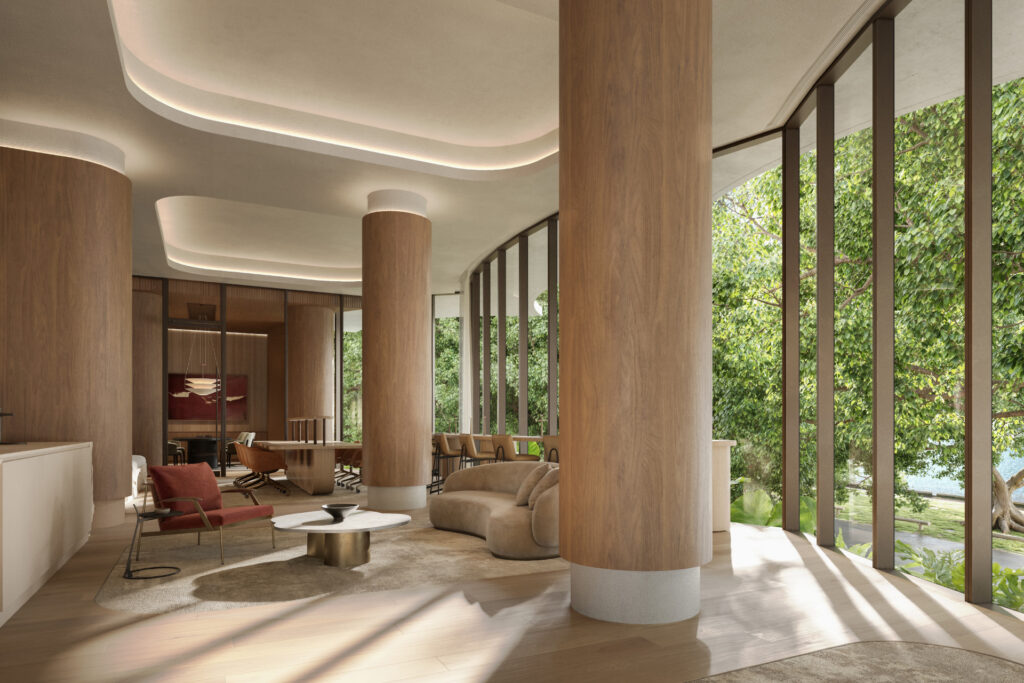
He says it’s the fundamentals, like greenery, sunlight and natural materials, that help apartments to age well. “We have long sight lines and green space within our developments”.
The company also mixes practicality and leisure. A dog wash and pool lounge feature at Sekisui’s Waterstone in Sydney’s St Leonards, while Sanctuary at Wentworth Point has a sunset bar and will have a childcare centre.
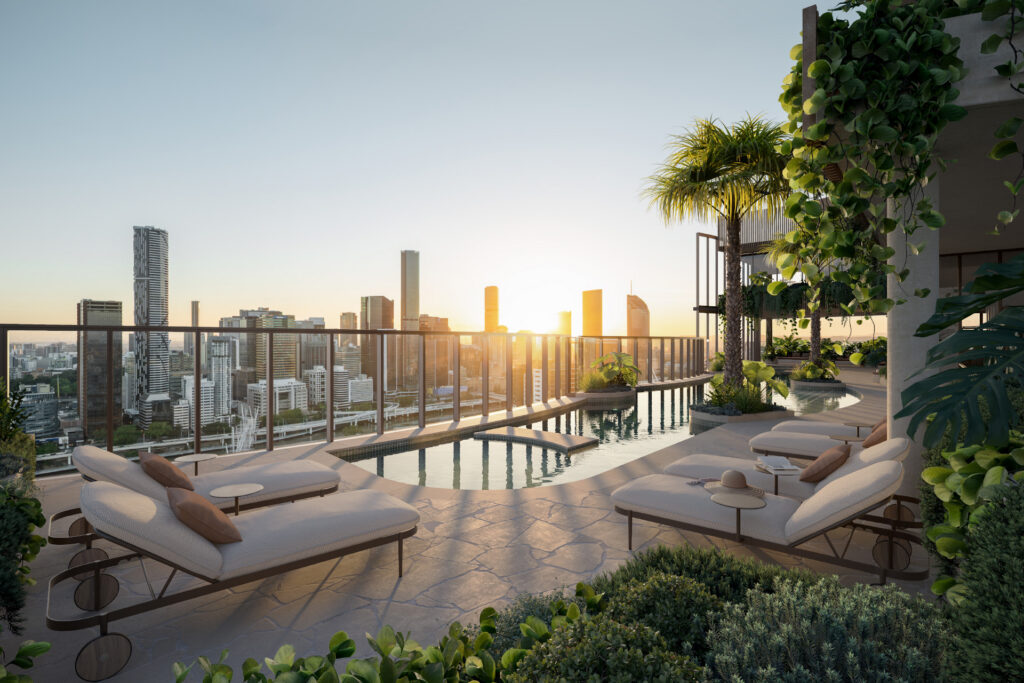
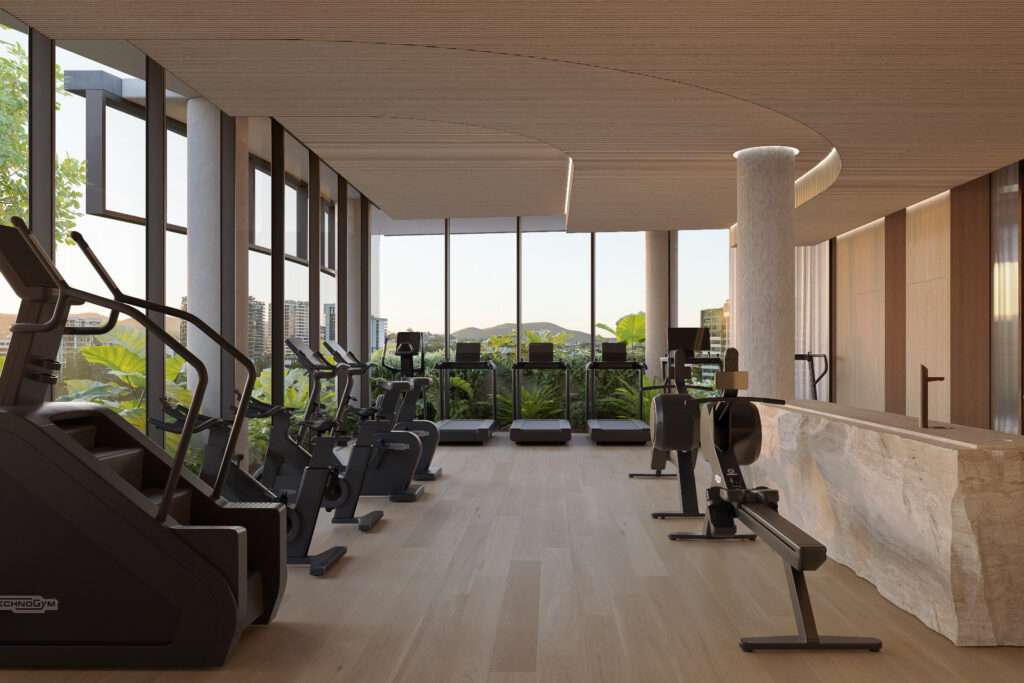
Mosaic is building an “ecosystem” in the sky at The Riversdale on South Brisbane’s riverfront. Residents will share a gym and Pilates studio, sauna and steam room, magnesium pools, a whisky lounge, and golf and F1 simulators.
“That’s what we believe the forever apartment should be,” Monahan says. “Not simply a beautiful residence, but a complete lifestyle ecosystem where wellness, work, culture, recreation and connection are seamlessly integrated into daily life.”
Upgrading by downsizing
Daniel and Riki Heywood bought a three-bedroom apartment in The Riversdale for their four children and two dogs. They once owned a five-bedroom suburban house on 900 square metres and currently live in an apartment while The Riversdale is completed.
They say apartment living has improved family life.
“It’s been a huge upgrade in lifestyle and a huge saving in the amount of time that we would spend on upkeep,” Riki says. “We wouldn’t have thought about an apartment being the place we’d end up, but now we wouldn’t go back. It’s changed our lives.”
Architect Stephen Clement, director of Complete Thought Studio, believes Australians want homes that reflect who they are, not more space. “They prefer to have something that speaks to them and meets their needs, in whatever scale works,” he says.
Clement and co-director Michelle Dundas revamped a client’s Mosman apartment for long-term flexibility, and the project was shortlisted in the 2026 Australian Interior Design Awards. Functional alterations included levelling the floors and installing an expandable dining nook.
More time for life
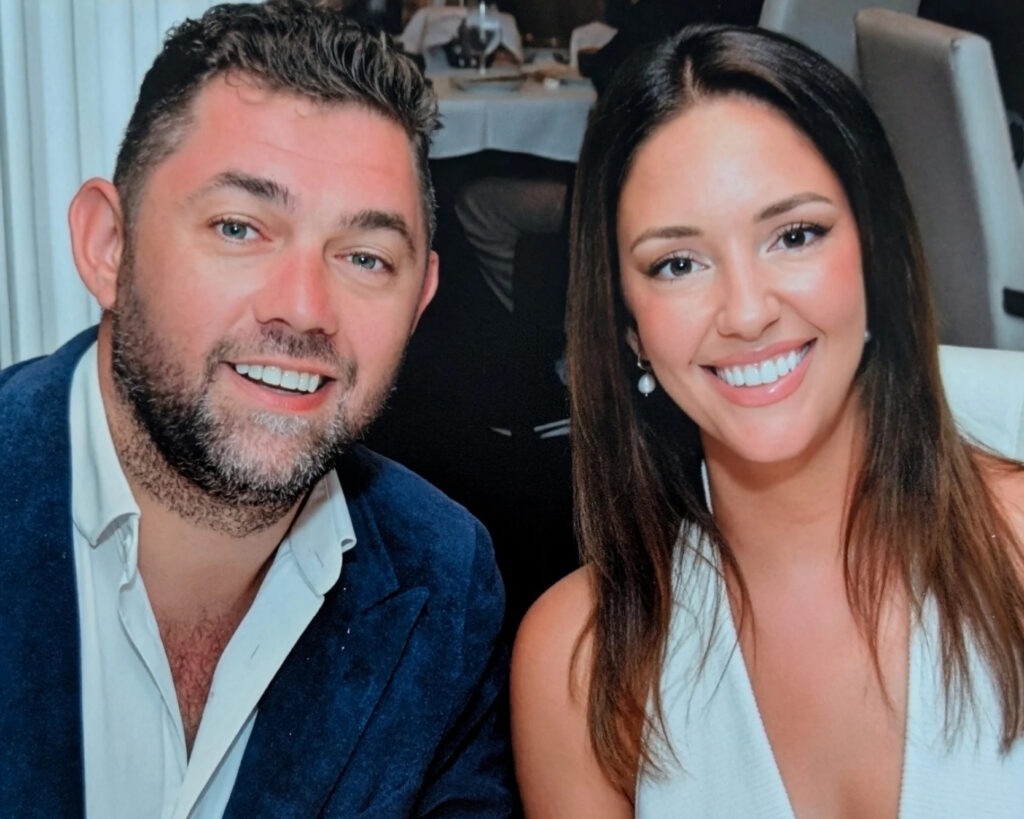
The couple bought a three-bedroom apartment with a courtyard in Coronation Property’s Ashbury Terraces in Sydney after outgrowing their previous apartment.
Romeo says apartments are “a good way to start, and a good way to end” the housing journey.
“If you’re a young couple starting out, I think an apartment would be perfect because it’s less costly than a house,” he says “And when you get to this stage, you don’t want a big house anymore.”
“People go through so many different phases in life,” Clement says. “It can be worthwhile thinking, ‘What decisions can I make now that are going to help down the line?’”.